
Diagnostic tests likely to be cheaper by up to 70% at KGMU | Lucknow News
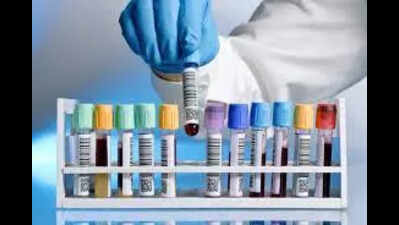
Lucknow: Patients coming to King George’s Medical University (KGMU) are likely to get relief in diagnostic expenses, as the university is preparing to introduce an Investigation Revolving Fund (IRF). The system is expected to reduce the cost of many pathological and laboratory tests by up to 70%, benefiting nearly 10,000 patients visiting the OPD daily and around 4,000 inpatients admitted to the hospital on any given day.The proposed IRF will work on the pattern of the Hospital Revolving Fund (HRF) already in operation at KGMU. Under HRF, medicines are purchased directly in bulk from companies, lowering procurement costs and allowing the university to provide drugs to patients at cheaper rates.
Under the new system, KGMU will procure reagents and consumables directly from manufacturers in bulk. These reagents form a major component of the cost of pathological, microbiological, and cellular investigations commonly advised by doctors for diagnosis. KGMU vice-chancellor Prof Soniya Nityanand said almost all patients undergo several investigations during treatment, often ranging from 10 to 20 tests, making diagnostic expenses a significant burden.“Every patient goes through these pathological tests. Reducing their cost would be an immense help for patients. Similar initiatives were studied from SGPGIMS. We have now created a framework to initiate the process and arranged the seeding funds, so we are likely to start the facility within 6 months,” she said. Prof Kumar Shantanu, who heads the Hospital Revolving Fund, said the reduction will cover high-volume routine and specialised tests that depend heavily on reagents. These include routine blood investigations, biochemical tests such as liver and kidney function tests, microbiological cultures for infection, and cytological or histopathological examinations used in disease and cancer diagnosis.Bulk purchase directly from manufacturers will reduce the per-test cost without affecting quality, he said.Officials said the system will also ensure regular availability of reagents, reducing delays in investigations and improving laboratory efficiency through better inventory management.“Once implemented, the Investigation Revolving Fund is expected to significantly reduce diagnostic expenses and improve access to timely diagnosis for patients coming to KGMU from across Uttar Pradesh and neighbouring states,” the VC said.