
Every police station in UP now has trained cyber staff: DGP | Lucknow News
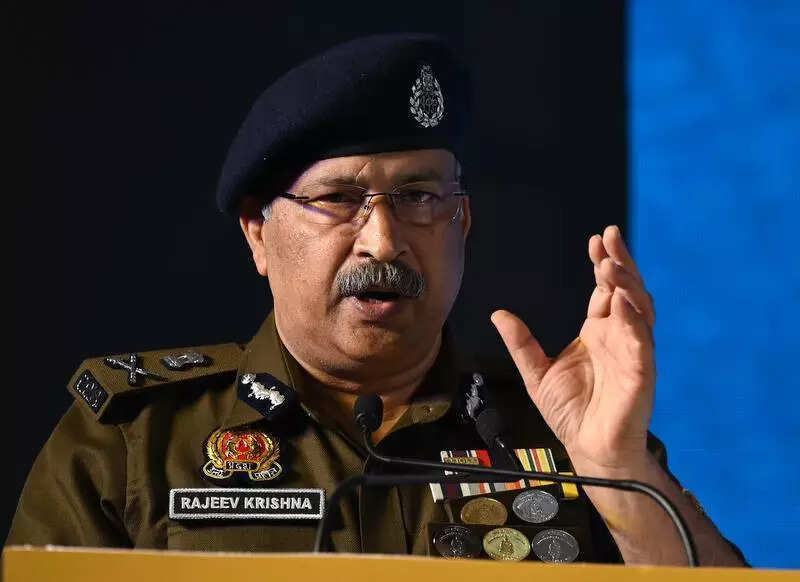
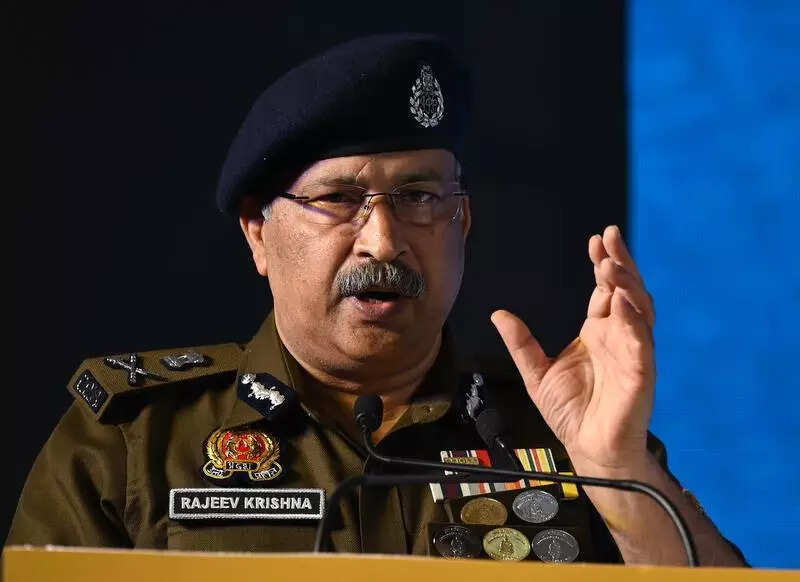
Krishna said police teams under Mission Shakti organised chaupals and outreach programmes in nearly 70,000 villages and 24,000 urban localities, sensitising citizens about women’s rights, legal remedies, and the serious consequences of crime. “Preventing crime before it happens is the real success of policing,” he said. The DGP said Mission Shakti centres have emerged as a critical support system for victims, acting as a bridge between the police, the District Legal Services Authority (DLSA), and welfare departments. Through this coordination, victims are being provided free legal aid, counselling, medical assistance, and access to govt schemes. He cited several instances where timely intervention in minor victims’ cases prevented further trauma and ensured swift legal and medical support. Highlighting reforms in cyber policing, Krishna said financial losses from cyber frauds are now nearly three times higher than those caused by conventional crimes, making it imperative to strengthen digital investigation capabilities. To address this, Uttar Pradesh Police trained nearly 40,000 personnel in cyber investigation, digital forensics, and online fraud response. “Every police station in the state now has trained cyber staff. Victims no longer need to run from one office to another,” he said. Krishna added that the large-scale training drive significantly improved response time, enabling police to freeze fraud-linked bank accounts swiftly and prevent further losses. With trained manpower deployed across districts, Uttar Pradesh has emerged among the leading states in cybercrime response and account-freezing success, they added. Placing the reforms in a broader context, DGP Krishna said that under the leadership and guidance of the Chief Minister over the past seven to eight years, Uttar Pradesh Police carried out unprecedented structural and operational reforms, including breaking the backbone of organised crime and mafia networks. The DGP said recognising positive police work through award ceremonies is not symbolic but a strategic effort to build optimism, morale, and professionalism within the force, while also reinforcing public trust. “When good work is acknowledged publicly, it inspires others within the force and reassures society that sensitive, citizen-centric policing is taking root,” he said, while thanking the media for providing platforms that highlight constructive policing.